
Castilleja: The Plant Who Borrows Fire
Aka Paintbrush, Indian Paintbrush, & Prairie Fire
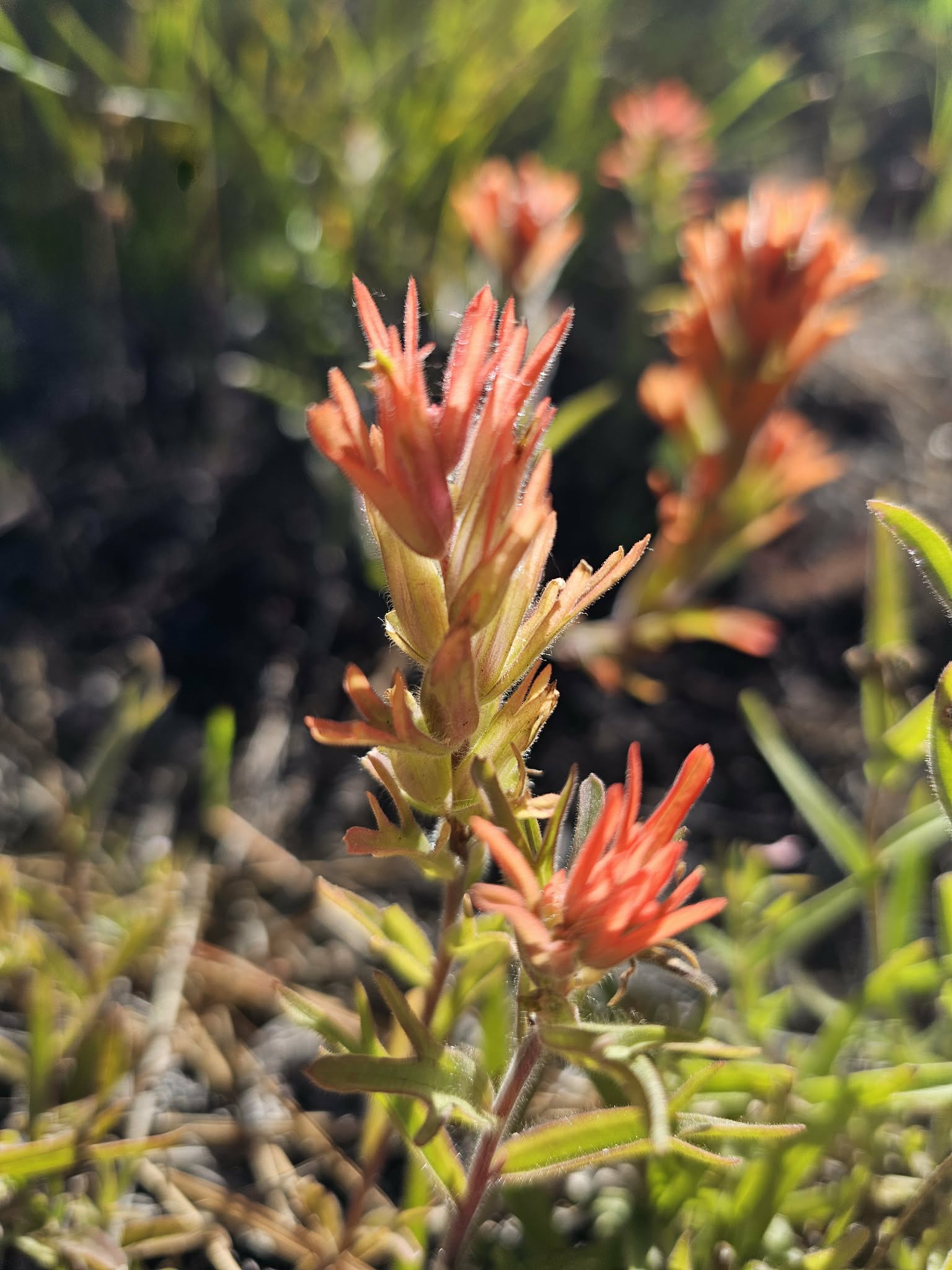
We’re into the second week of June and I’ve been spotting this plant since late April on the hillsides near Missoula, Montana. I hike our pups up Marshall Mountain several times a week, and that happens to be where this beauty resides – tucked into the meadows and rocky slopes, set ablaze in reds, oranges, and pinks against the green.
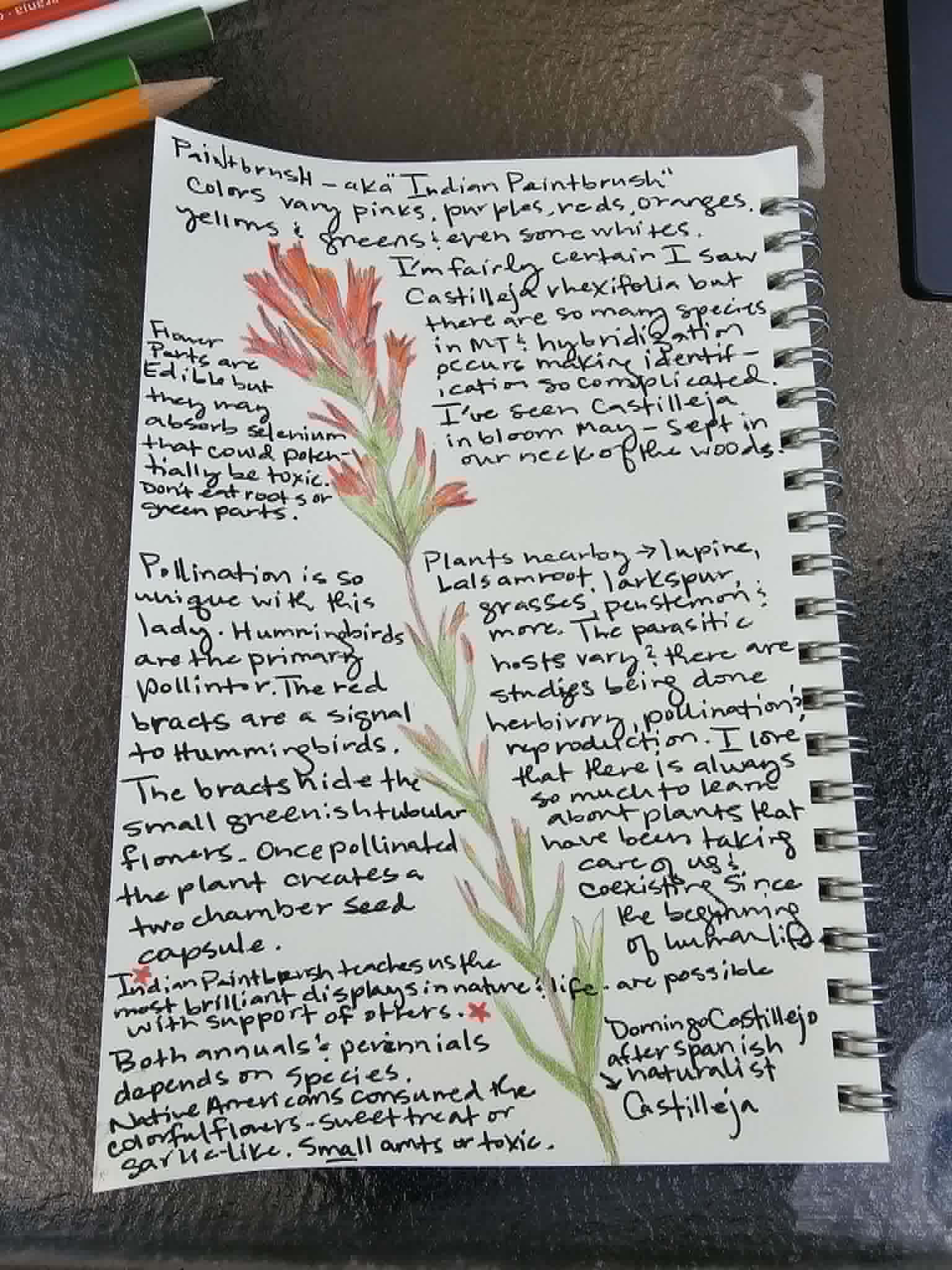
This isn’t my typical entry. I’m currently taking a Master Naturalist Course through the Montana Discovery Foundation, and I needed to choose a final project, it could be anything, so I chose this plant that I’ve always been so fascinated by. Meet Castilleja. Named after Domingo Castillejo, an 18th-century Spanish botanist and naturalist, this genus contains nearly 200 species worldwide, with approximately 23 found right here in Montana alone. (iNaturalist; Wikipedia)
She’s Not What She Looks Like
Here’s the thing that hooked me first: what we think we’re admiring isn’t quite what it appears. Those brilliant flame-colored “petals”? They’re not petals at all. They’re bracts, modified leaves, and they hide the plant’s small, greenish tubular flowers beneath them. (USDA Forest Service) Never judge a book by her cover.
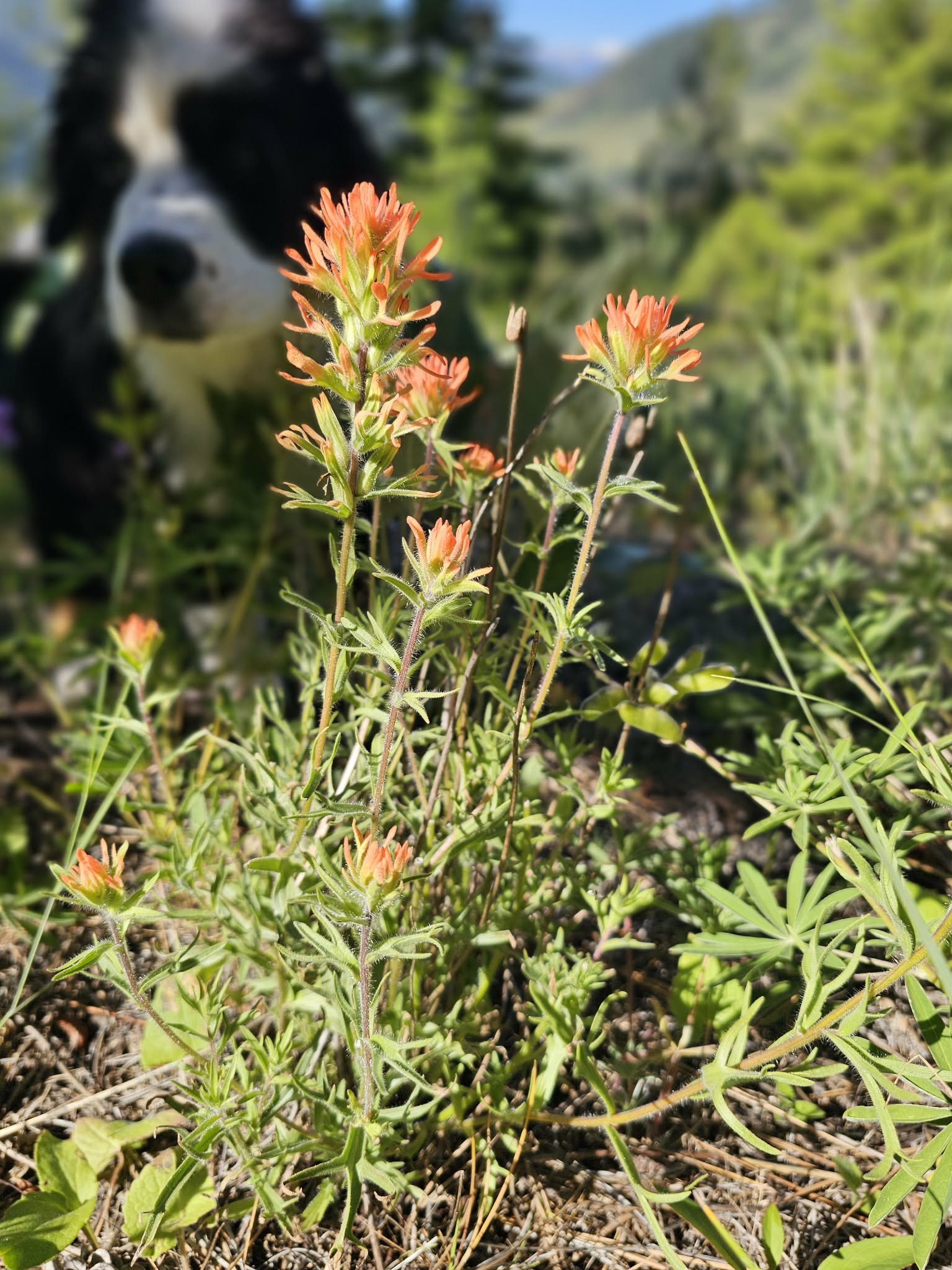
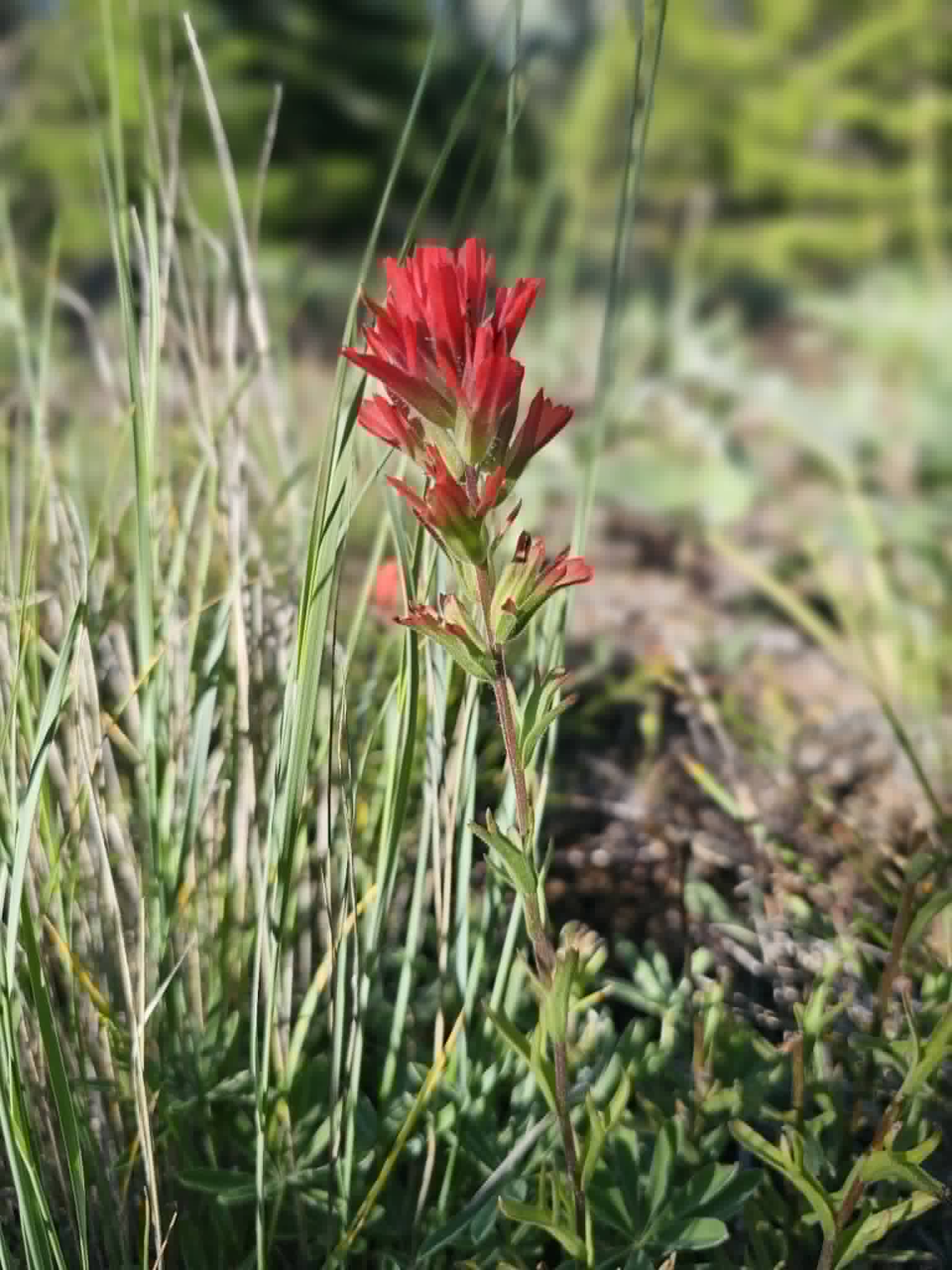
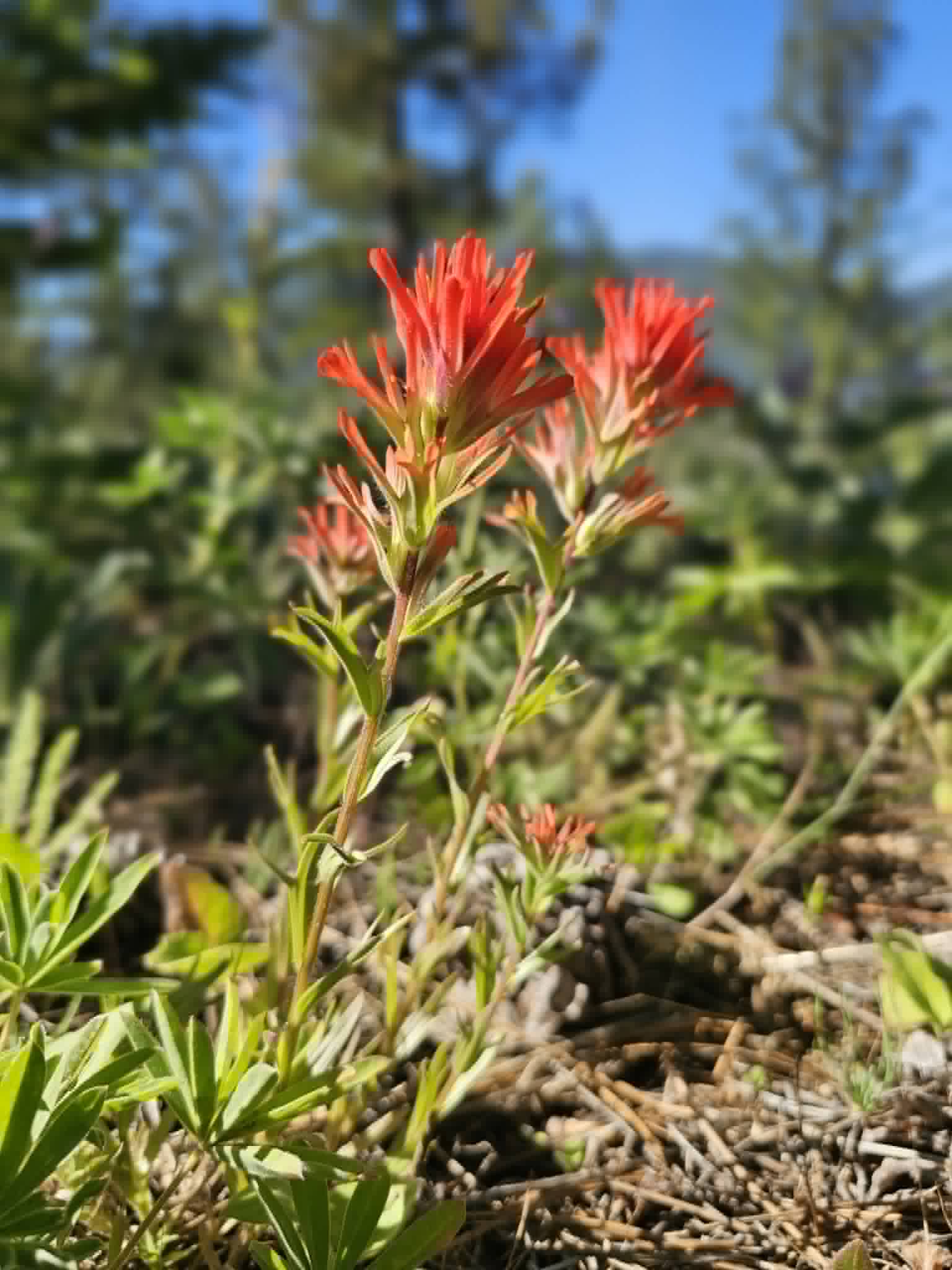
Castilleja comes in a stunning range of colors, pinks, purples, reds, oranges, yellows, greens, and even some whites. I’m fairly certain I spotted Castilleja rhexifolia up on Marshall, but hybridization between species makes identification complicated. I’ve seen Castilleja in bloom from April through September, in our neck of the woods.
A Plant That Leans on Her Neighbors
Indian Paintbrush is a hemiparasite, a member of the Broomrape family, Orobanchaceae. (Botany in a Day was a great reference for the complexities of this plant.) That means while they can photosynthesize and sustain themselves, they also quietly tap into the root systems of neighboring plants – grasses, lupine, balsamroot, larkspur, penstemon, etc, absorbing water and nutrients through specialized root attachments. They borrows from their community to thrive.
What makes this even more fascinating: research shows that which host plant it parasitizes actually affects how attractive they are to pollinators. Indian Paintbrush growing alongside lupine produced three times more seeds and drew significantly more pollinator visits than those growing with grass. The generosity of the host ripples outward. (Adler, L.S., Ecology, 2003)
Depending on the species, Castilleja can be either an annual or a perennial.
The Hummingbird Connection
Pollination in this plant is something special. Those red bracts aren’t just beautiful and eye-catching to humans, they’re a signal to hummingbirds, who are the primary pollinators. (iNaturalist; USDA Forest Service) The color red is actually difficult for most insects to detect, yet occasional bees and butterflies do visit as well, drawn in by the hidden tubular flowers. Once pollinated, the plant produces a two-chambered seed capsule.
Resilience & Human Connection
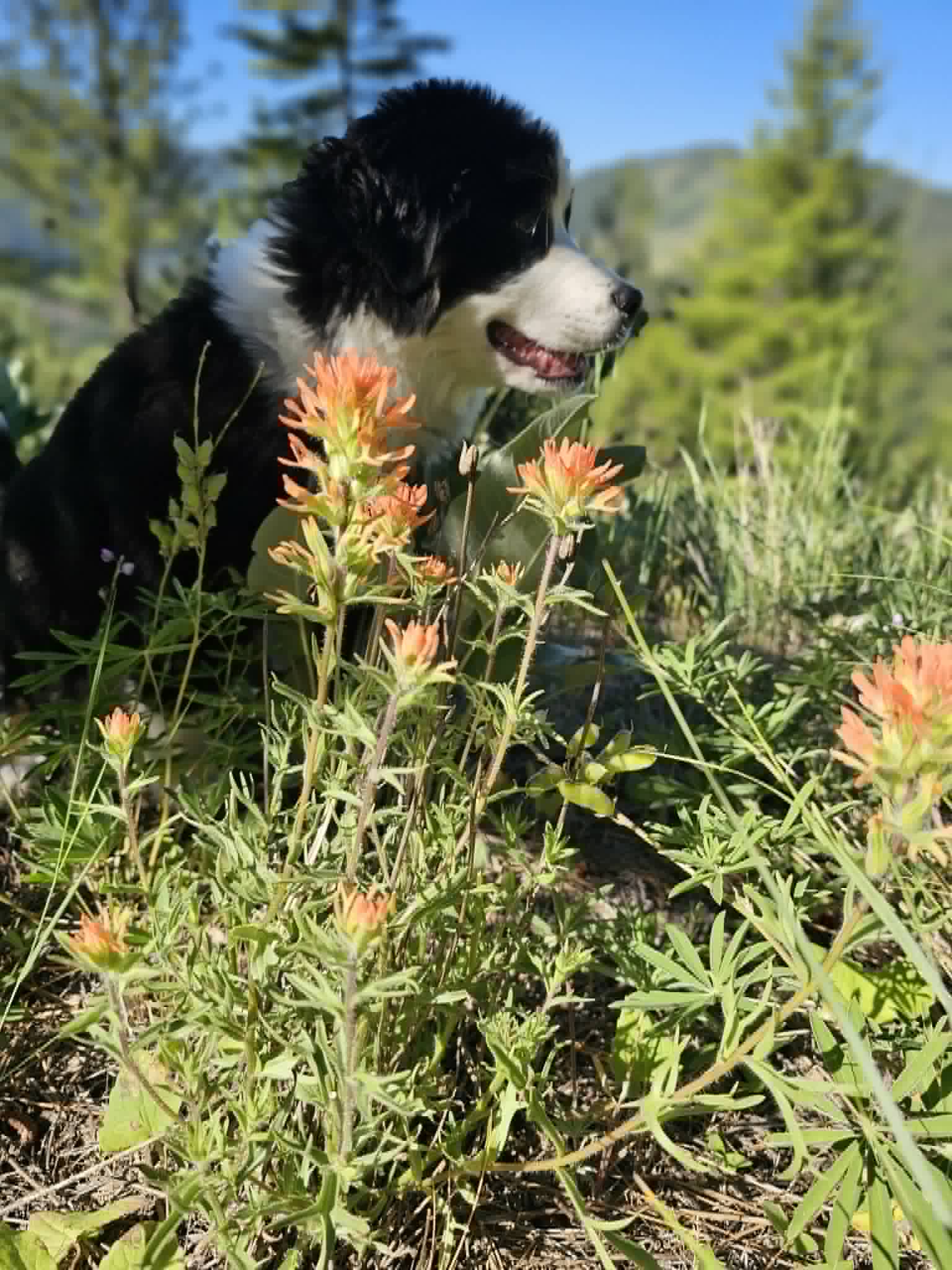
Like most Montana plants, Castilleja is tough. She withstands cold snaps, summer heat, and thrives in poor, rocky soil – the kind of conditions that would discourage most.
Native Americans used the colorful bracts as a sweet treat, sometimes with a garlic-like flavor. However, it’s worth noting the flower parts may absorb selenium from the soil, which can be toxic in quantity – roots and green parts should not be consumed. (Oregon Sea Grant; iNaturalist) I did eat a red bract this morning and it really just tasted like clover – nothing crazy. And, I’m still kickin’.
My Theme Statement for This Project
“Indian Paintbrush teaches us that the most brilliant displays in nature, and in life, are made possible by the unseen support of others.”
There’s something quietly profound about a plant this stunning that survives by leaning on its neighbors, roots intertwined, chemistry shared, pollinators guided by borrowed color. It’s a reminder that brilliance is rarely a solo act.
Sources: iNaturalist, Wikipedia, USDA Forest Service, Wildflowers of Montana, Botany in a Day (Thomas Elpel), Adler L.S. (2003) Ecology 84(8), Oregon Sea Grant Sustainable Tourism


