
DIY Tea Nook
Welcome to the Tea Nook
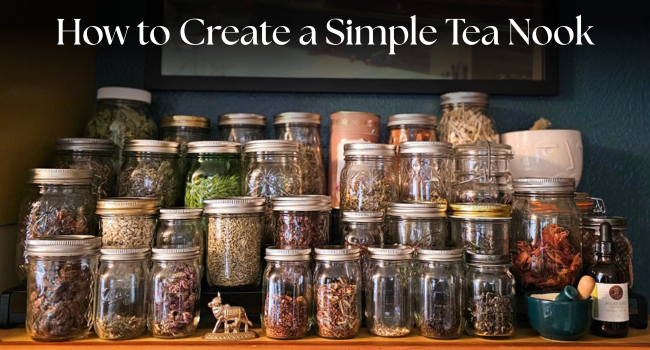
Creating a simple ritual space in your kitchen can benefit you in all of the ways.
Teas don’t have to be complicated. The aisle at the grocery where they sell teas doesn’t have to be the inspiration for a tea nook. Although, I love me some prepacked tea. It’s simple to DIY a tea nook.
Start with just a few of your favorite herbs. Maybe: Chamomile (calm), Raspberry Leaf (all around wellness & women’s health), Lemon Balm (immune boosting), & Holy Basil/Tulsi (yummy) or Peppermint.
Your kitchen is already an apothecary. You’ll find a LOT of overlap with your culinary herbs and medicinal herbs – use them together. I might add a bit of basil or parsley to my blend – I’ll find these a step away from my tea nook in my dark pantry. Herbs as food, food as medicine.
What is growing in your yard? I grow a lot of herbs in my yard and some of them get dried and make their way to the tea shelf – Dandelion, Lemon Balm, Peppermint, Sage, Mullein, etc.
What You Need to Make Tea
- A few of your favorite herbs or a pre-packed tea bag. (revisit above) I love buying herbs from my local shops, Meadowsweet, Butterfly Herbs and Mountain Rose Herbs if I’m ordering online.
- A mug and infuser. (see suggestions below)
- Safe drinking water and a heat source. Maybe a kettle? (I shared a link to our kettle below.)
- About 6-8 minutes and a steeping lid, or a smallish plate will do.
Psst: I’ve placed affiliate links throughout this blog post. If you prefer to shop elsewhere, I know these treasures are available in LOTS of places. Local is BEST – if you can find them locally, do that!
Storage
Glass is best. We’ve all been learning about the detrimental impacts that plastics have on us and the environment, whenever we can avoid them, we probably ought to. Fancy tins aren’t necessary, although I’m sure they would be beautiful. I use canning jars – they are discounted frequently through the year. I prefer to collect vintage jars from yard sales, they make great containers for teas/herbs, even if they can’t be used for canning any longer.
Dark cool places are best for preservation of your herbs. My tea nook is slightly protected from natural light that comes in the kitchen, but not entirely. Dried herbs are often as potent as fresh, but over time they do lose their potency. Keeping herbs in an ideal storage place will help them last longer.
I wanted elevated shelving, so I could see the herbs more clearly. I have a general idea of which row has each blend or single herb, so I can revisit the same shelves. Plus, this view is much more aesthetically pleasing to me, and that makes me want to utilize the space more regularly.
Infusing Tools & Techniques
You’ll really just need an extra few minutes in your day. I find, even if I don’t have them, it is best to make them. The tea ritual is very grounding and effective when I’m feeling sluggish in the afternoon.
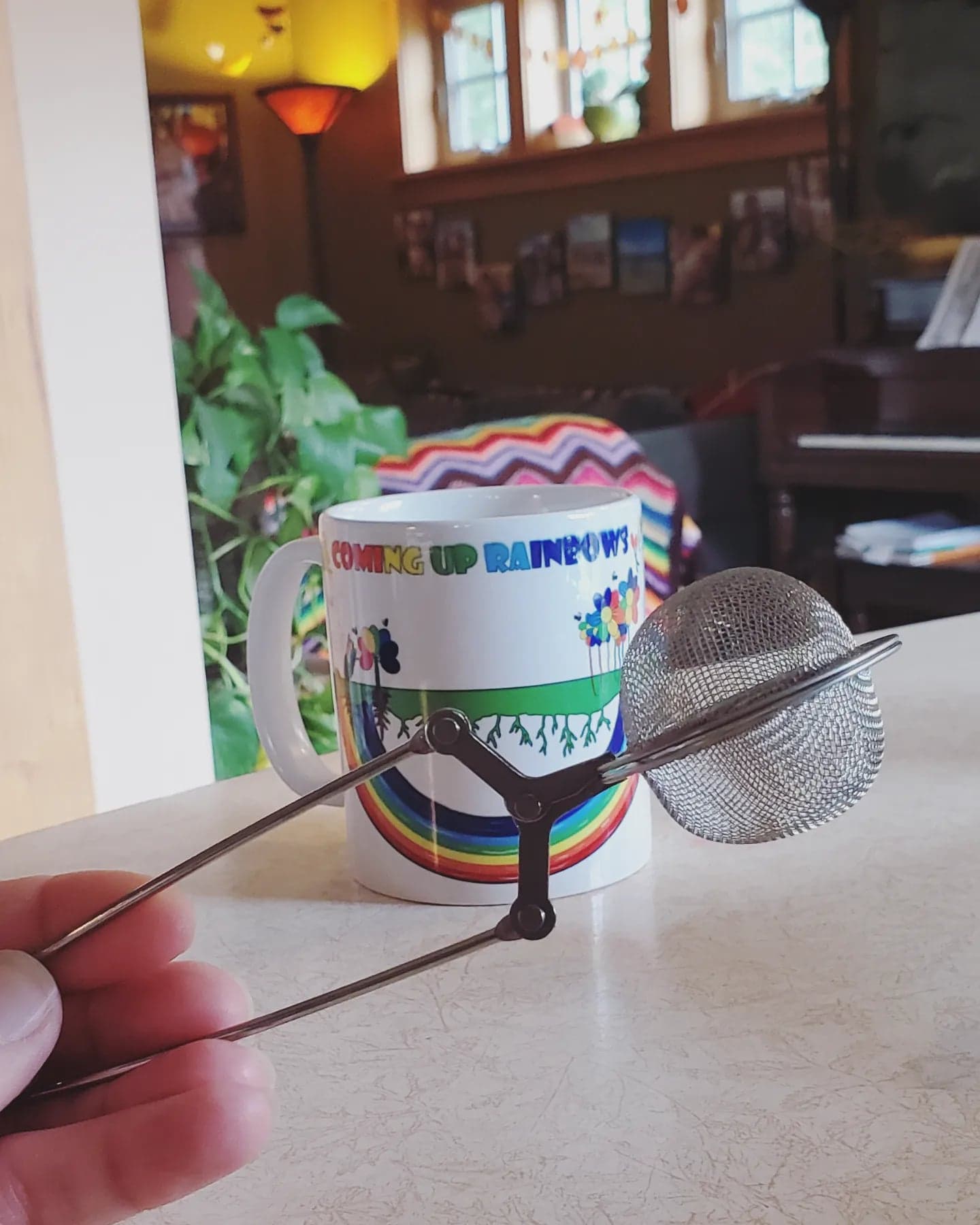
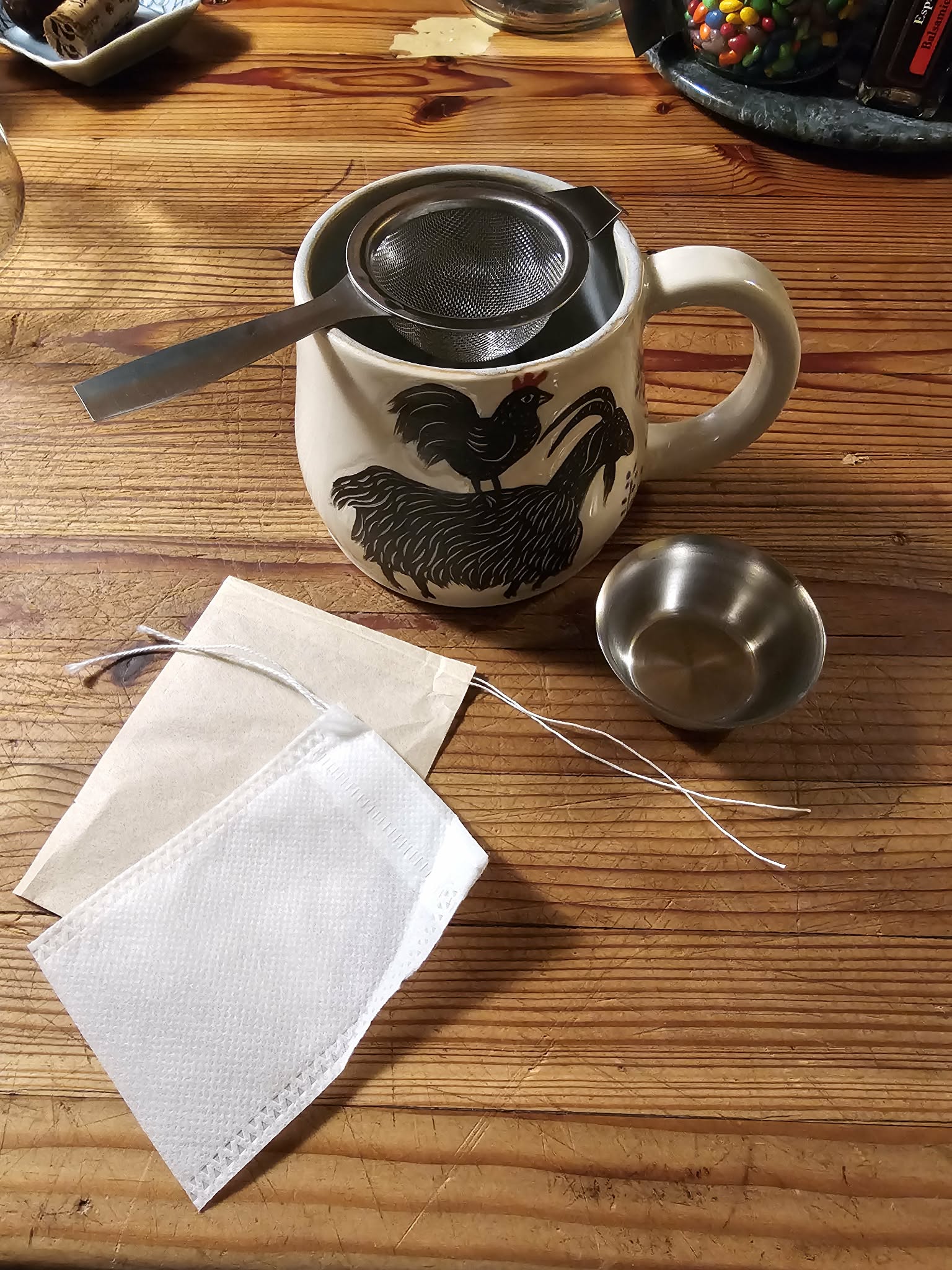
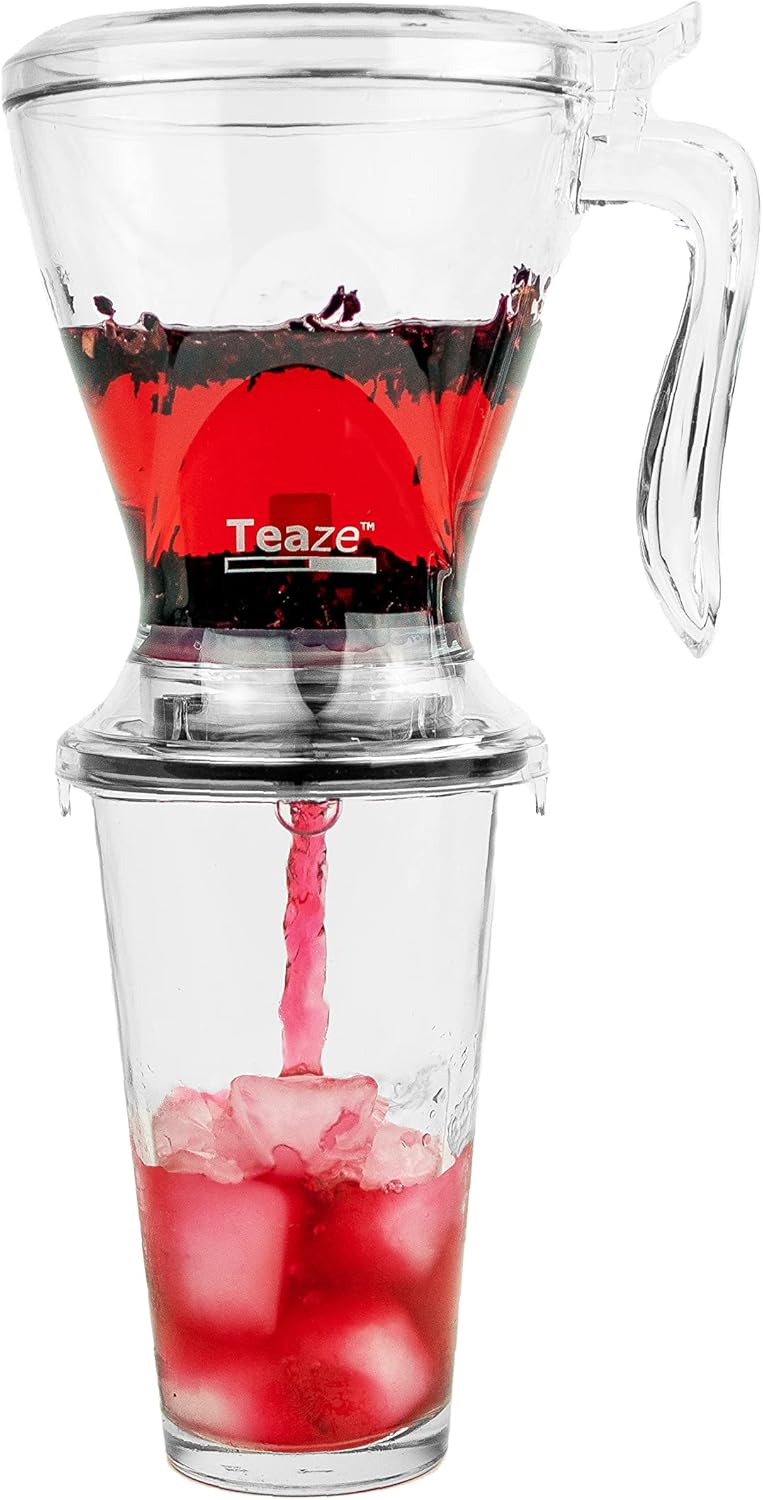
There are unlimited options for infusion.
Tea Bags, Balls, and Strainers
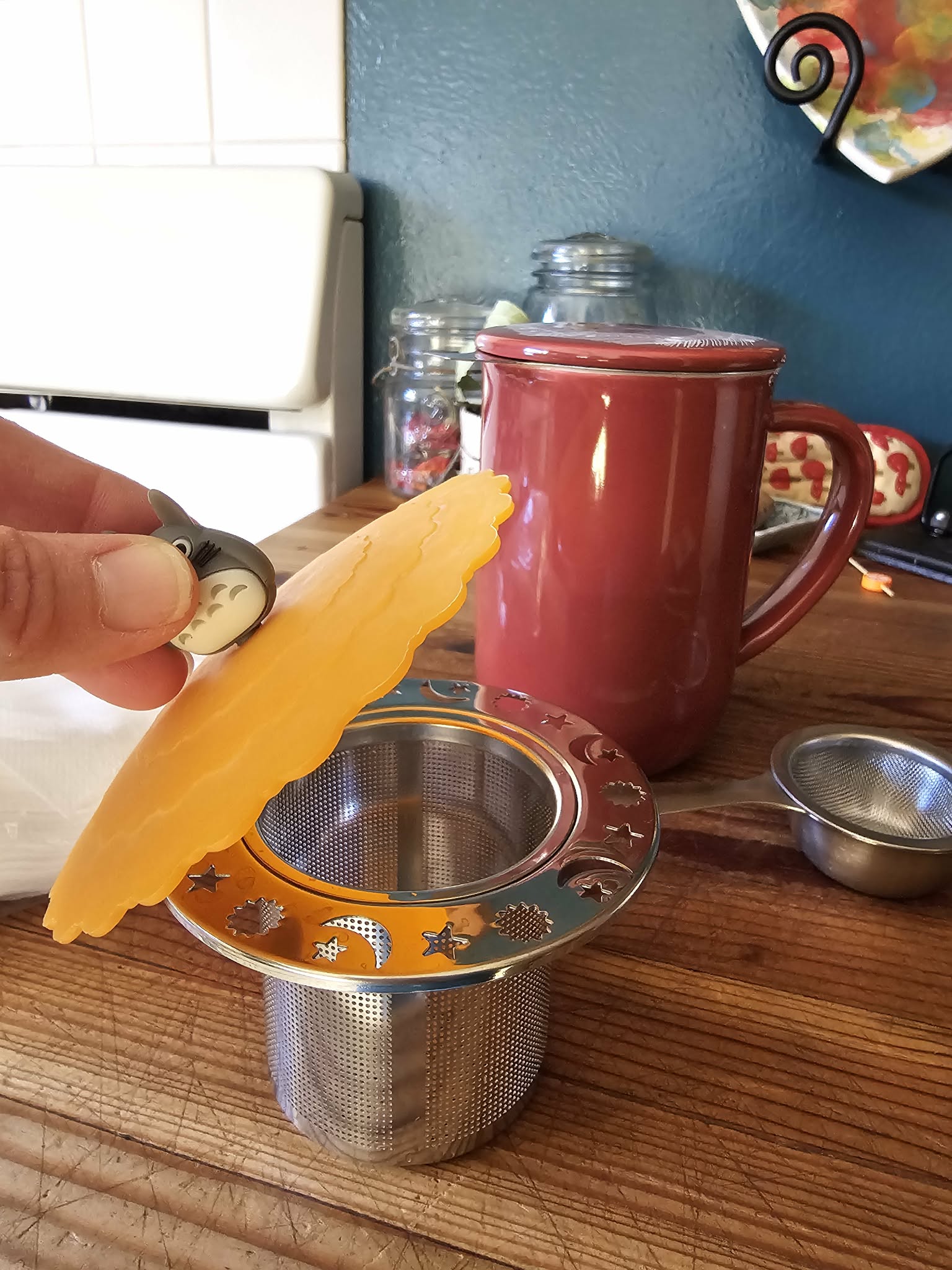
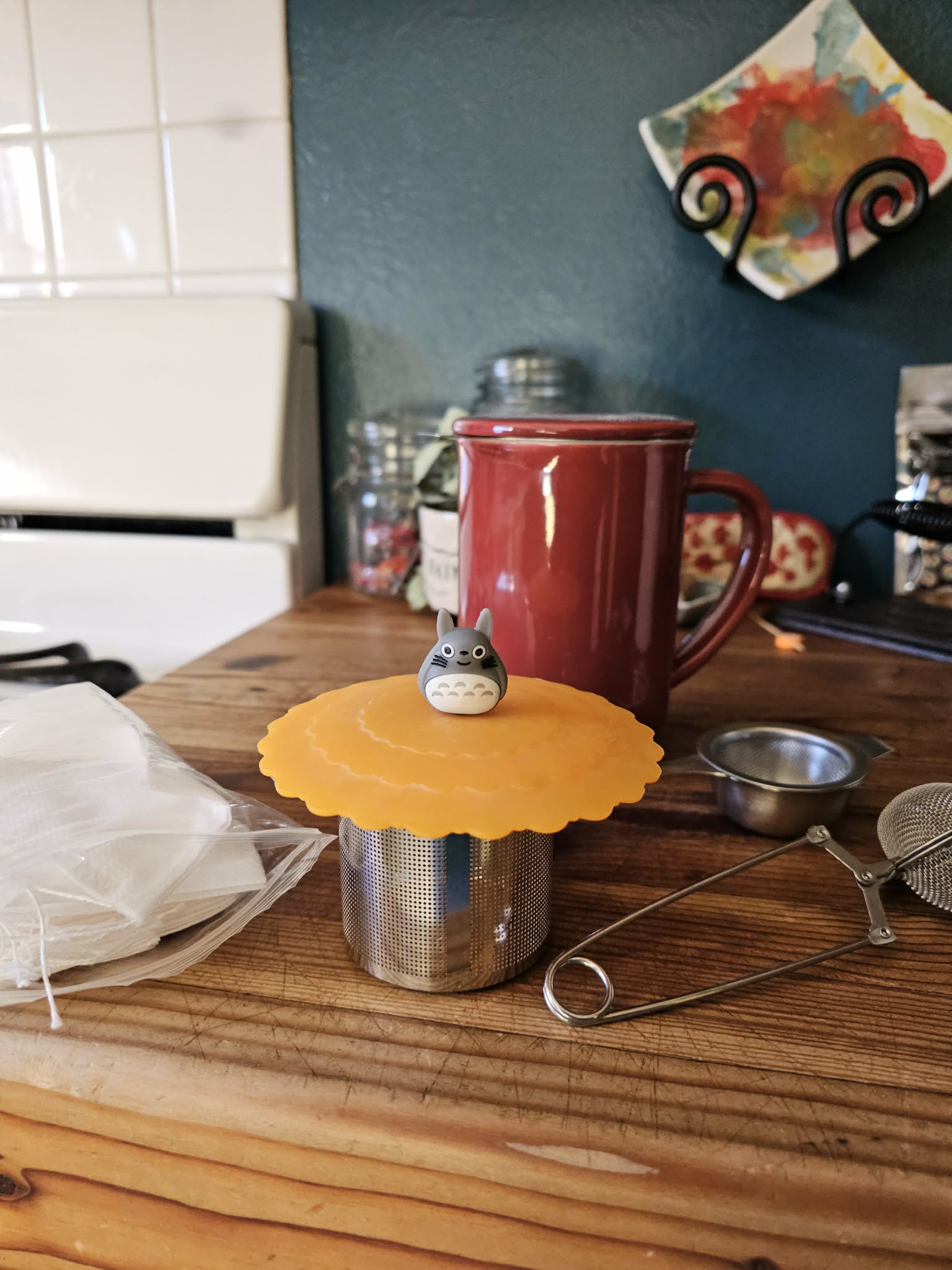
- Tea Cup Lid – Totoro Style – There are so many options for lids, but again, you can just use a plate or leave your cup open. Steeping with a lid keeps all of the good stuff in your mug, so you can get it in your body when your tea is ready.
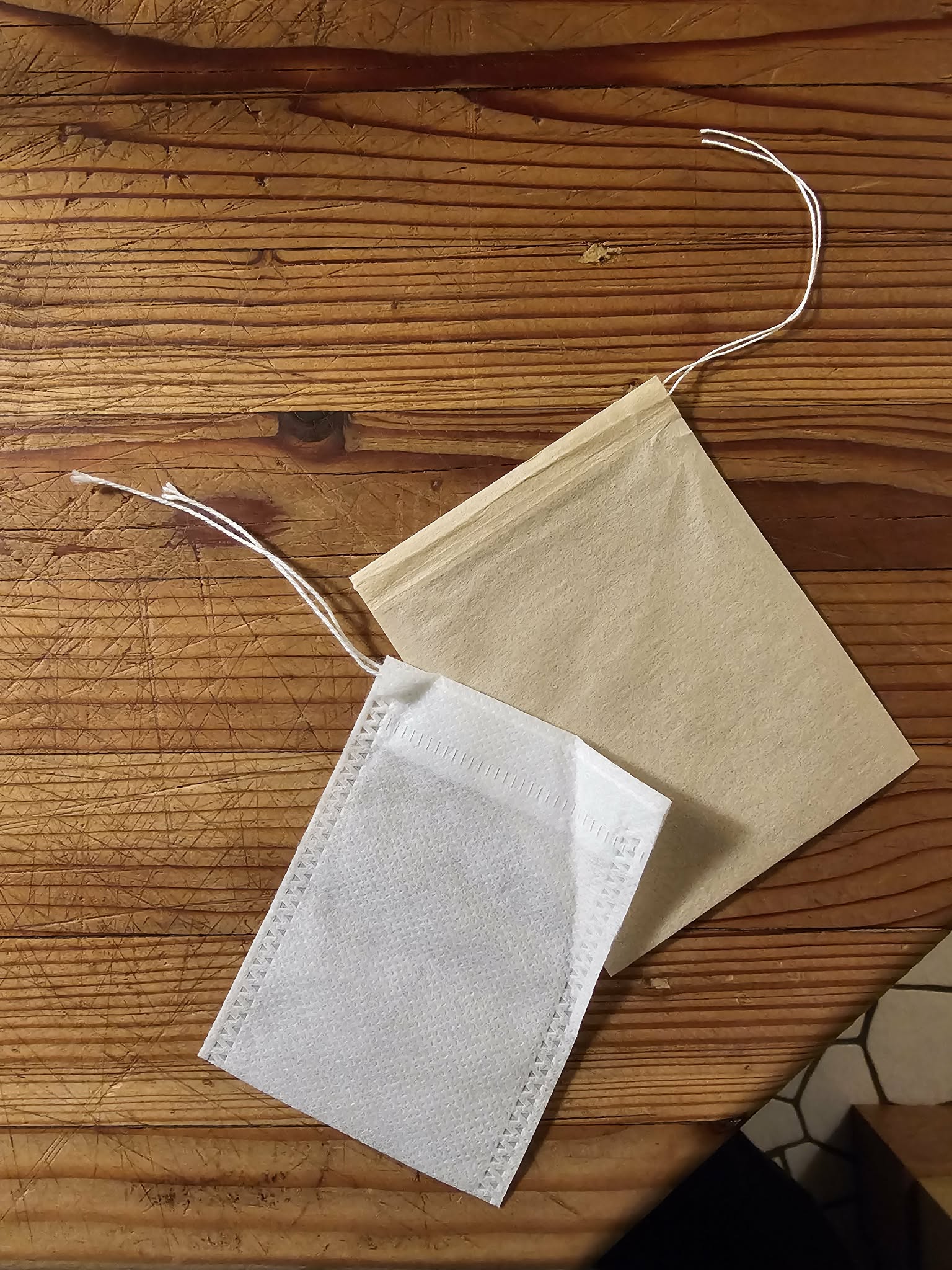
- Tea Bags: These are bags that you can fill yourself, and they are handy for the bathtub. Baths = Teas for your body. Tea Bags also travel easily. Fill one and bring it to work with you in the morning.
- Unbleached Disposable Option – I pop these in the compost after use.
- Another Disposable Option – for your cup or your bath.
- Soaking your body in tea can be really beneficial for rheumatic or gout pain. Fill that bag with herbs and let it float while you run a bath + some epsom salts for extra relaxation.
- I really love Muslin Bags – especially for a tea bath. I ship our orders in muslin bags in hopes that they’ll be reused in the bathtub. Fill with oats and calendula for a lovely skin soother.
- Tea Balls – There are a handful of tea ball varieties, some on a chain & some you can squeeze to open and fill.
Infusing Directly in the Cup
- In Cup Mesh Tea Strainer – This is my favorite kind of infuser. It is really easy to use and fits deep in your cup. And, it isn’t difficult to get all of the loose herb inside. The opening is nice and wide.
- Cup with Built In Strainer – I was gifted one of these, and I love it, but it is dirty a lot when I want a cup of tea, thankfully the strainer fits in most of my mugs. This is a lovely gift for a tea fan.
- In that gallery above (not my image) you’ll see another option for infusing – straight into a cup, push a button and let the healing water through.
Most infusions take place in hot/warm water, but there are certain herbs that like a cold infusion. Marshmallow is infused in cold water. Some cold infusions might be best pre-made and popped in the fridge to add to your hot infusions as needed. I make a fresh ginger/turmeric/garlic infusion in a pot and pop it in the fridge (in a glass jar) to add to my other tea blends or soups and foods I’m making. A nice anti-inflammatory punch, at the ready.
Choosing A Heat Source
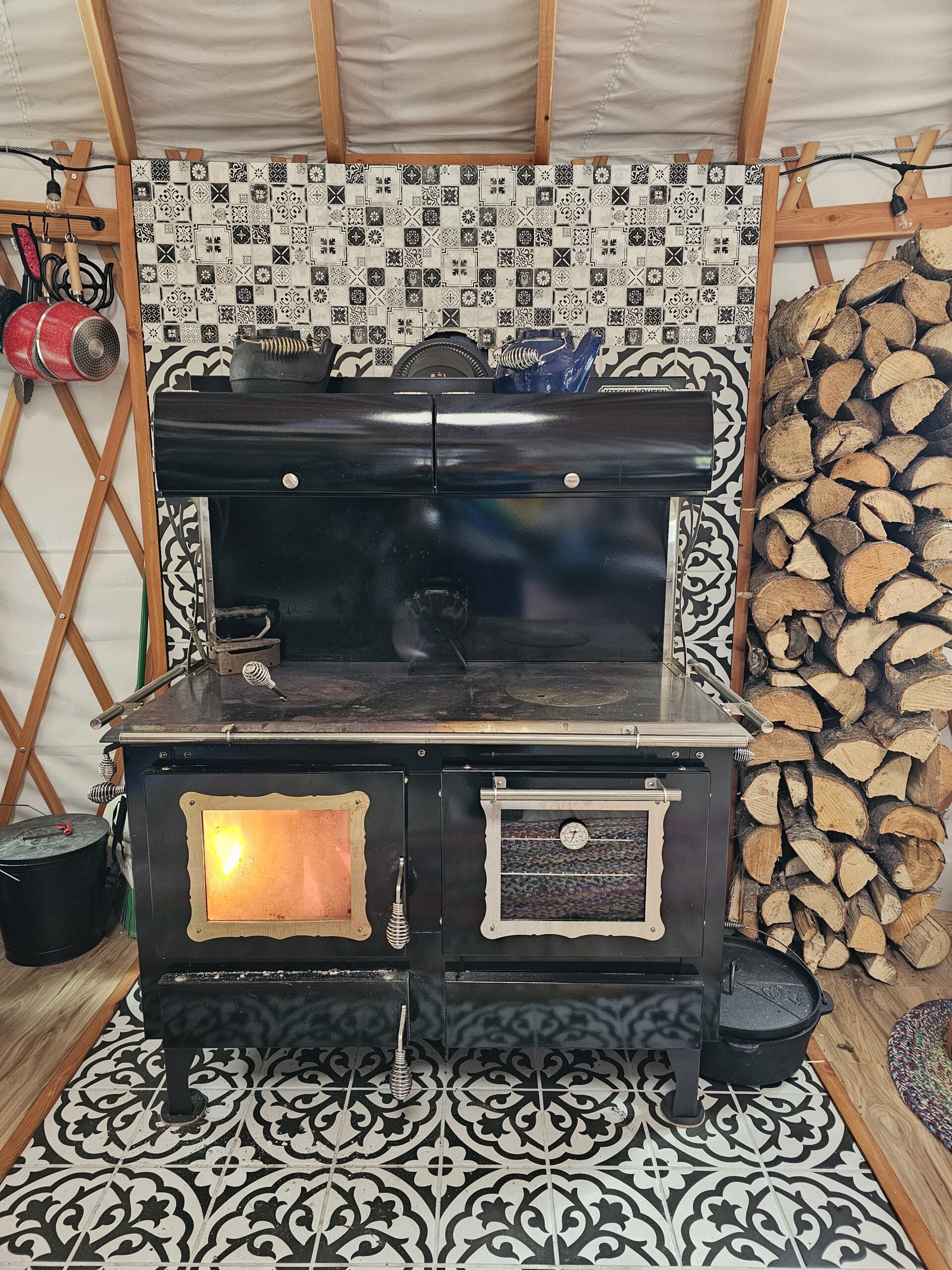
Making Tea Off-Grid
If you follow along with us regularly, you might remember that we have this magical heat source at our yurt. We lovingly refer to her as The Queen. We also use the camp stove or a jet boil in the summertime to heat water. At home, we have access to electricity and take full advantage with a magical kettle.
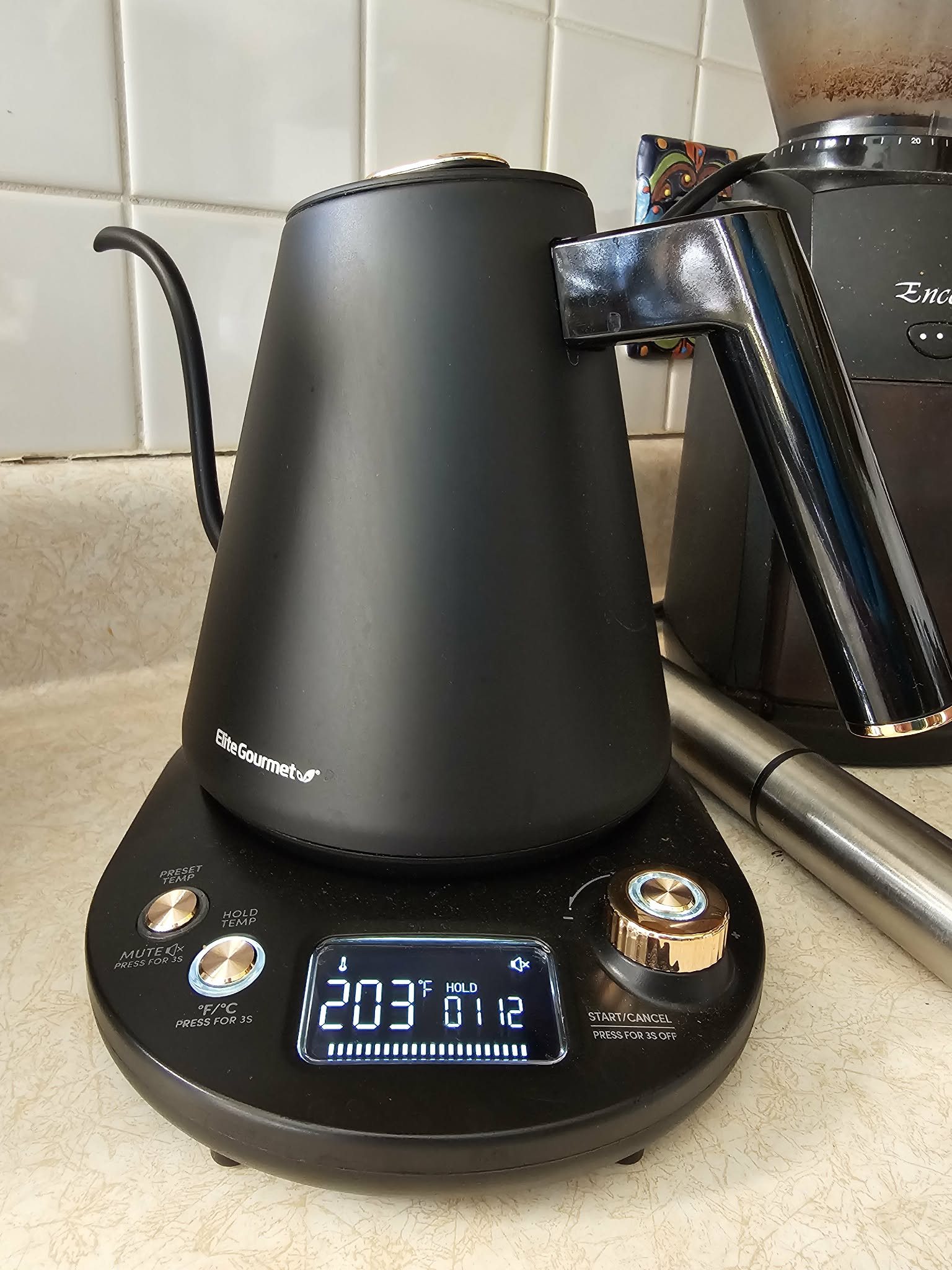
Using an Electric Kettle at Home
This kettle allows you to choose an ideal temperature for tea, coffee, etc. The kettle can hold the temperature of your choosing, and you can set a timer saying how long you’d like that to happen. And, it has some automatic shut off features. THIS is my favorite way to make tea & coffee at home. There are many electric kettles in the world, this probably isn’t the cream of the crop, but we like it.
More to Share From the Tea Nook
Once, I soaked in a Mugwort tea bath at a Korean spa in L.A. with Maybe from Arrested Development. Bonkers, right? The world of infusions is broad. I could probably write 50 blog posts about tea, drinking tea, soaking in tea, and maybe I will. In the meantime, subscribe to our newsletter so you don’t miss our monthly recipes. And, please share your recipes with me. I’ll pass those onto our rainbow followers too!
Treating Symptoms With Herbs
Something to keep in mind when concocting your infusions, using herbs to heal allows you to treat symptoms. You don’t need to chase a diagnosis before you start trying some remedies. AND, there are multiple herbs that might work to treat each symptom. One herb may be more effective than others, but explore your options. Get yourself a trustworthy reference guide and start some trial and error. Enjoy the hydration benefits, ritual, and cozy feels while you search for remedies.]
Meet my Tea Nook, IRL.
Bonus points for everyone that shares their Tea Nook with me. I need inspiration for additions. xo


